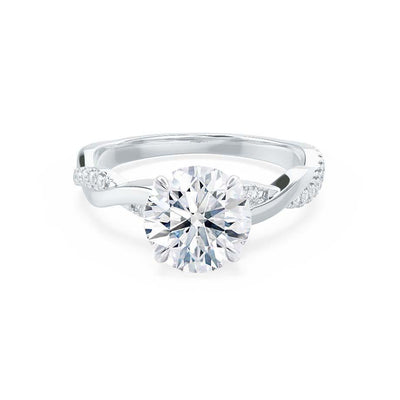
Contemporary fashion continues to evolve through bold experimentation, and one of the most influential elements shaping current trends is the use of unique textures. In the world of modern accessories, texture plays an essential role in defining character, enhancing visual appeal and elevating everyday wear. Brands such as lily arkwright demonstrate how thoughtfully crafted surfaces can transform simple pieces into distinctive statements that complement a wide range of personal styles. As consumers seek accessories that feel expressive and original, texture has become a powerful design tool contributing to the shifting landscape of fashion.
Texture affects how an accessory is perceived, even before the finer details are examined. A bag featuring grainy leather, for example, offers a different visual and tactile experience compared to one crafted from smooth, polished material. This variation influences the accessory’s mood and versatility. Grainy or pebbled textures often create a relaxed, understated feel, while sleek surfaces tend to appear refined and minimal. This applies across accessory categories including jewelry, handbags, footwear and wearable tech, each gaining dimension through the designer’s choice of texture.
The rise of contemporary minimalism has also expanded the importance of texture. When silhouettes become simpler and color palettes lean toward neutrals, texture becomes the defining characteristic that sets one accessory apart from another. Matte finishes, hammered metals, embossed patterns and layered textiles add subtle complexity without overwhelming the piece. These features offer depth while maintaining the clean, modern qualities that many consumers love. Texture allows designers to balance simplicity with individuality, ensuring that even minimal designs retain personality and craftsmanship.
One of the most notable shifts in accessory design is the growing popularity of mixed textures. Combining contrasting surfaces within a single piece can create a dynamic, multidimensional look. A pair of earrings might blend polished and brushed metals, while a contemporary handbag may incorporate smooth leather with textured fabric panels. This interplay not only enhances aesthetic appeal but also creates a heightened sensory experience. Mixed texture designs are particularly effective for those who want to make a statement without relying on bold colors or dramatic shapes.
Craftsmanship is another reason texture matters. Unique surfaces often highlight handwork, which appeals to consumers who value quality and artistry. Techniques such as weaving, embossing, engraving and hand polishing showcase the maker’s expertise and the thoughtful attention invested in each piece. As shoppers grow increasingly conscious of the stories behind their accessories, textured elements serve as a visible reminder of time, skill and creativity. They make each accessory feel intentional and special, turning everyday items into conversation pieces.
Textures also influence how accessories interact with clothing. A textured belt or bracelet can provide contrast when paired with soft fabrics, while smooth, polished accessories can help elevate cozy or structured outfits. This balance allows wearers to experiment and personalize their style. Textured accessories may be subtle, but they bring a sense of completeness to an outfit, making them particularly valuable for those who appreciate refined details.
As contemporary fashion continues to embrace individuality and artistic expression, textures remain one of the most effective ways to enhance accessory design. Whether through bold contrasts, subtle finishes or handcrafted details, unique textures contribute depth and character that elevate modern style. They allow accessories to become more than functional objects, transforming them into expressive elements that resonate with personal taste and evolving aesthetic trends.