
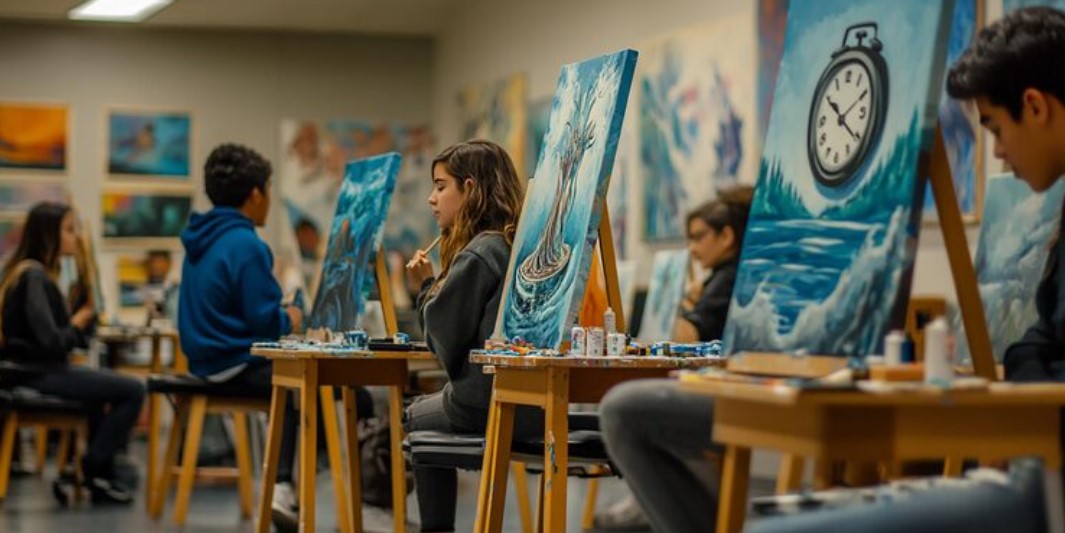
Art has always reflected the ideas, culture, and emotions of society. From ancient cave paintings to modern digital creations, artistic expression continues to evolve alongside technological progress. Today, the digital age has opened new possibilities for artists, allowing them to experiment with innovative tools and reach global audiences more easily than ever before.
Digital technology has transformed the creative process. Artists can now create illustrations, animations, and visual designs using advanced software and digital drawing tablets. These tools allow greater flexibility compared to traditional mediums because artists can edit, modify, and experiment without the limitations of physical materials.
The internet has also changed how art is shared and experienced. Online platforms allow artists to showcase their work to audiences around the world. Social media, digital galleries, and creative marketplaces help artists connect with collectors, fans, and collaborators. This global reach has made it easier for emerging artists to gain recognition and build careers.
Another major development in modern art is the rise of digital art marketplaces. These platforms allow artists to display and sell their creations online, creating new opportunities for creative professionals to monetize their work. For many artists, digital platforms have become essential for building personal brands and expanding their audience.
Despite these technological advancements, traditional art forms remain important. Many artists combine digital techniques with classical skills such as painting, drawing, or sculpture. This fusion of traditional and modern methods results in unique artistic styles that reflect both heritage and innovation.
Digital art has also influenced industries beyond the art world. Film production, video game design, advertising, and graphic design all rely heavily on digital creativity. Artists working in these industries combine imagination with technology to produce engaging visual experiences.
Art in the digital age demonstrates how creativity continues to adapt to changing times. While tools and platforms may evolve, the fundamental purpose of art remains the same: to communicate ideas, inspire emotions, and connect people across cultures and generations.
I recently visited a tattoo shop in Saigon and was impressed by the creativity and professionalism of the artists. The atmosphere was welcoming, making it easy to discuss my design ideas. If you’re looking for quality work and a memorable experience, this tattoo shop in Saigon is definitely worth checking
I’ve been searching for a fine line tattoo specialist near me, and this post really highlights what to look for in an artist skilled in delicate, precise designs. It’s so important to find someone who truly understands the intricacy of fine line work to ensure the tattoo looks crisp and
This article beautifully captures the importance of preserving artwork, and I couldn’t agree more! Having a reliable frame shop Miami offers is essential for protecting and showcasing our favorite pieces. A quality frame not only enhances the art but also ensures its longevity. If you’re in Miami, finding a skilled
These Graffiti Letter Brushes are a fantastic resource for anyone looking to add bold, urban flair to their digital art. They capture the authentic style of street art perfectly and make it so much easier to create vibrant graffiti lettering in Procreate. I’ve been experimenting with them and love how
Mark Hellbusch gelingt es meisterhaft, Kunst mit grünen Farben lebendig und vielfältig darzustellen. Seine Werke zeigen, wie unterschiedlich Grüntöne Emotionen und Naturmotive zum Ausdruck bringen können. Besonders beeindruckend ist, wie die Nuancen der grünen Farbpalette in seinen Bildern harmonisch miteinander verschmelzen und so eine einzigartige Atmosphäre schaffen.
It's inspiring to see how African culture home products bring such vibrant stories and traditions into everyday living spaces. These pieces not only add beauty but also celebrate the rich heritage and craftsmanship of African artisans. Incorporating these products into home decor is a meaningful way to honor and preserve
I've been searching for a private tattoo studio in North Vancouver, and Aminn Tattoo sounds like the perfect spot! It's great to find a place that offers such a personalized experience, especially when it comes to art as personal as tattoos. Looking forward to checking them out for my next
I recently decided to buy custom stencils for my art projects, and it has completely transformed the way I work. Having personalized designs allows for so much creativity and precision, especially when working on detailed pieces. If you’re looking to elevate your art, I highly recommend considering custom stencils—they make
I recently discovered the amazing benefits of using Custom Stencils From Image for my art projects. Being able to transform any photo or design into a stencil has opened up so many creative possibilities. It's an excellent way to add unique, personalized touches to paintings and crafts, making each piece
The vibrant colors and rich textures showcased in this collection really highlight the beauty of gallery wrapped African canvas wall art. It’s amazing how these pieces can bring such warmth and cultural depth to any space, making them a perfect choice for anyone looking to celebrate African heritage through art.